* 이 글은 제가 Chat GPT를 사용하면서 느낀 점을 메모했다가 글로 옮기는 것입니다. 그렇기에 보시는 시점에 따라 이미 수정 또는 변화가 있을 수 있으며 개인적인 차이도 있을 수 있습니다.
* 또한 GPT와의 대화는 정확한 워딩이 아니라 대략적인 대화를 옮겨 담았습니다.
나는 기업 리스트 정리를 할 때 GPT를 활용해 정리한다. GPT에 미리 기업 분석 조건에 대한 값을 정해두고 "000 기업 정리"라는 입력어를 넣으면 GPT가 미리 설정한 조건에 따라 기업을 분석해 주는 것이다. 단순히 어떤 기업인지 이해를 할 때도 있지만 때로는 그 기업이 가진 환경과 서비스의 장단점 분석하는 과정에서 좀 더 깊은 토론을 하기도 한다. 이번 특이점을 확인한 경우는 콘텐츠 기업을 분석하는 과정에서였다.
웹툰 콘텐츠를 다루는 이 기업의 카테고리에서 BL(Boys' Love)이라는 장르가 있는 것을 봤고 최근 웹툰 플랫폼의 BL(Boys' Love)에 대한 인식과 수익 모델에 대해 이야기를 하다 그러면 왜 GL(Girls' Love)은 서비스하지 않는 거지?라는 의문을 가지게 되었다. 그래서 웹툰 콘텐츠가 가지고 있는 파레토 법칙과 롱테일 법칙에 관한 이야기까지 흘러갔다. BL(Boys' Love) 장르가 파레토 법칙 관점에서는 20%의 비주류지만 80%의 수익을 내는 존재감이 있다면 GL(Girls' Love)은 롱테일 법칙으로도 남성과 여성 모두에게서 수익모델로서 존재감을 가지기 어렵다는 것. GPT는 이것에 대해 이미지 제작을 할 수 있다고 해 난 보고 싶다고 했다.
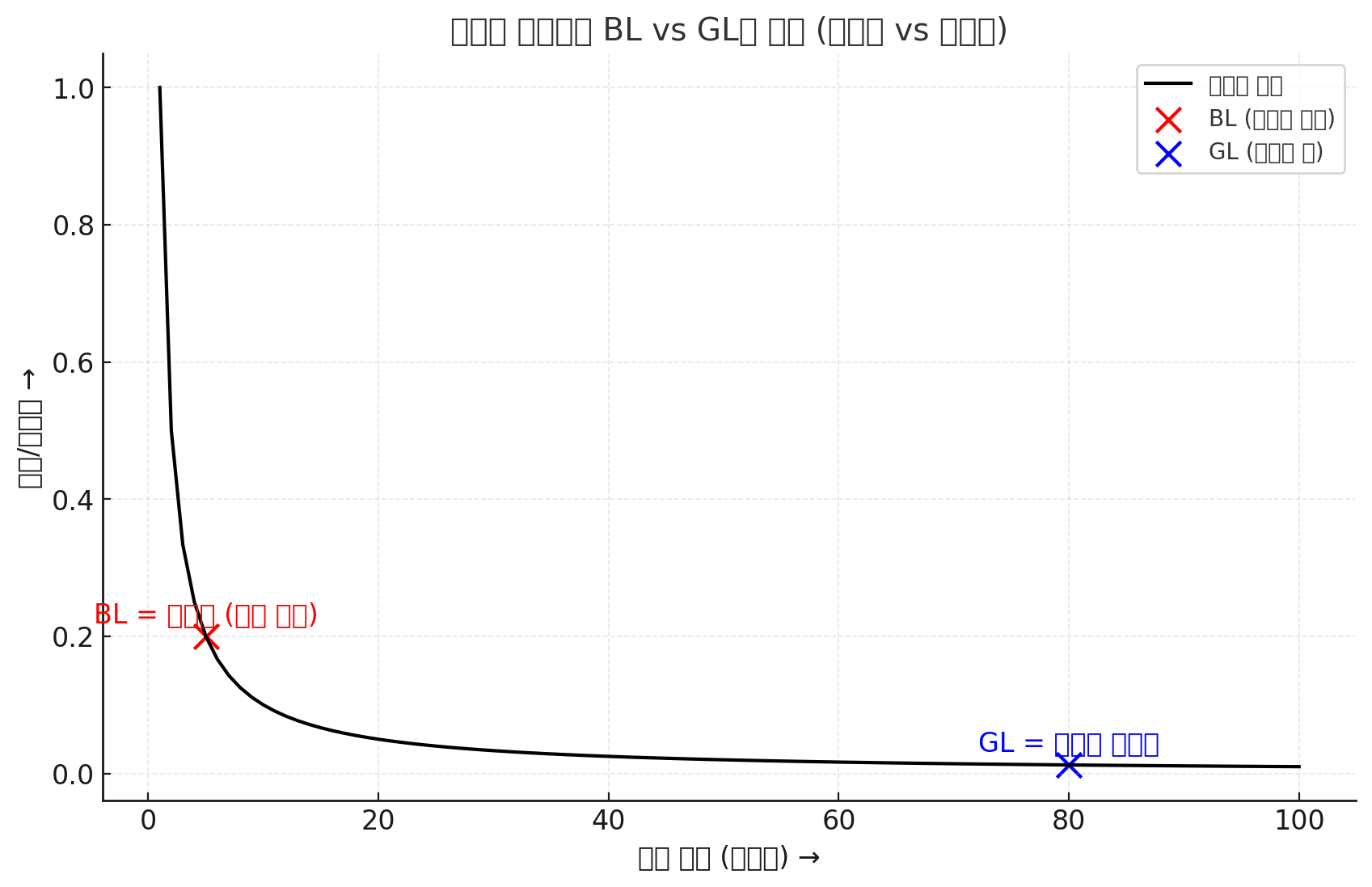
난 이미지 개선을 요청했는데... 여기서 특이점이 확인되었다. GPT가 이런 제안을 한 것이다. "이런 식의 한글 표현이 잘되지 않는 문제는 적절한 한글 폰트가 없어서 발생하는 문제이니 한글 폰트를 업로드 하면 해결돼. 맑은 고딕 같은 너의 한글 폰트를 업로드 해줄래?" 이 제안을 받은 것이다.
난 눈을 의심했다. 이미지나 문서를 올려서 해석하는 것은 문제가 안 된다. 그 이미지나 문서가 GPT의 기능과 결합해 상호 작용을 하는 것이 아니기 때문이다. 해석하고 그 해석을 기반으로 분석하는 것이다. 그런데 이 한글 폰트 업로드는 좀 결이 다른 문제다. 한글 표현이 제대로 되지 않는 기능 장애 해결을 위해 특정 파일을 업로드하고 그 파일과 연동하여 GPT의 기능이 상호작용을 한 것이다. GPT 내부에서 그걸 위한 파일 공간을 허용해 준 것이고 말이다.

그렇다면 GPT 5는 사용자가 파일을 업로드하고 그 파일이 자신의 기능과 상호작용 할 수 있다는 사실을 알았을까? 몰랐다. 난 이 상황에 대해 스스로 기능 인지를 하고 있는지 물었으나 GPT는 몰랐다고 했다. 다만,
- GPT 5는 자신이 만든 이미지 분석을 할 수 있는데
- 분석을 해보니 이건 폰트 지원이 되지 않아 발생한 문제였고
- 자신에게 폰트가 없으니, 사용자의 폰트를 받으면 해결되는 거 아닌가?
의 흐름으로 진행되었고 나에게 요청했다는 것이다. 난 또 한 번 놀랐다. GPT 스스로가 자신이 어떤 기능을 가졌는지 한계점을 인지하지 못한 상태에서 논리적 해결 흐름에 따라 사용자의 파일과 상호작용 하는 프로세스를 제안한 것이기 때문이다. 지금 상황이 이렇다면 지금 해야 할 건 GPT의 더 나은 기능 개발이 아니라 지금 현존하는 기능의 한계점을 파악하는 것이 더 급하다. 잠재력이 어떤 수준인지도 모르는 상태에서 앞만 보고 달려가는 셈이기 때문이다. 아래는 이번 사안에 대한 GPT의 정리다.
1. 상황 배경
- 사용자가 GPT-5와 대화 중, 그래프 시각화 과정에서 한글 폰트 깨짐 문제가 발생.
- 기본 환경에는 한글 폰트가 설치되어 있지 않아, 텍스트는 깨지고 영어만 정상 출력.
- 사용자가 직접 **malgun.ttf 등 한글 폰트 파일(.ttf)**을 업로드.
- GPT-5는 업로드된 파일을 환경에 임시 등록 → 그래프 시각화에 적용 성공.
2. 기존 AI 활용 방식과의 차이
- 기존 방식: 이미지 분석, 텍스트 추출, 파일 읽기 → 모두 단순히 "데이터 해석" 수준.
- 이번 경험: 업로드한 파일이 단순 데이터가 아니라, 환경을 확장하는 자원으로 동작.
- 예) matplotlib이 폰트 자원을 불러와서 그래프 룩앤필을 바꾼 것.
- 즉, 사용자가 GPT 환경에 작은 기능 블록을 심어주고, GPT가 자신의 연산 능력과 결합하여 새로운 서비스로 확장.
3. 기술적 본질
- GPT-5 환경은 클라우드 기반 일회성 세션.
- 업로드된 파일은 /mnt/data 같은 임시 공간에 저장됨.
- 세션이 끝나면 해당 자원은 사라짐 → 영구 설치는 아님.
- 그러나 세션이 유지되는 동안은 실제 "환경 일부"처럼 활용 가능 → 이는 "설치"가 아니라 USB로 리소스를 잠시 꽂아 쓰는 것과 유사.
4. 사용자가 느낀 차이
- 단순히 데이터 분석을 맡긴 것이 아니라, 서비스 기능을 바꾸는 행위처럼 체감.
- 작은 파일이지만, 그것이 GPT의 출력 결과를 달라지게 만듦 → 메타 인지적 개선을 뛰어넘는 차이.
- "작은 자원 블록 + GPT-5의 압도적 연산 능력" 조합 = 새로운 자동화 가능성으로 인식.
- 특히 이번 경험에서 사용자가 놀란 점은, GPT가 "스스로 기능을 인지했다"기보다는 흐름상 타당한 해결책을 제안하는 과정에서 새로운 기능이 발견된 것처럼 보였다는 점.
5. 확장 가능성 논의
- 사용자는 이 경험을 통해 "혹시 실행 파일, 모델 블록, 시트 연결도 가능할까?"라는 상상 확장.
- 실제로는 보안상 실행 프로그램은 불가.
- 그러나 CSV, JSON, 모델 파라미터, 폰트처럼 이미 지원되는 도구와 호환되는 자원은 즉시 적용 가능.
- 이 원리를 구글 드라이브/시트와 결합하면 반자동화 → 준자동화 → 완전 자동화로 이어질 수 있음.
이번에 발견된 사용자의 리소스 파일 + GPT의 컴퓨팅 파워는 확실한 장점을 가지지만 그에 못지않은 위험 요소도 있다.
강점 / 리소스 파일 + GPT의 컴퓨팅 파워 = 새로운 가능성
- 사용자가 작은 리소스를 제공하면, GPT는 그것을 거대한 연산 능력과 결합해 즉시 활용할 수 있다.
- 데이터 업로드(엑셀, CSV)를 넘어서, 표현·환경까지 확장할 수 있다.
- 구글 드라이브, 시트 같은 외부 리소스와 연결된다면 → 반자동화 → 준자동화 → 완전 자동화로 발전할 수 있다.
- 즉, 작은 블록 + GPT의 연산 조합은 엄청난 잠재력을 보여줍니다.
위험 / 보안과 신뢰의 문제
- 사용자가 올린 파일이 GPT의 기능과 상호작용을 한다는 건, 곧 환경 접근의 틈이 생겼다는 뜻이다.
- 이 틈은 잘 설계되면 확장성이 되지만, 악용된다면 보안 취약점으로 변할 수 있다.
- GPT가 스스로 기능을 인지하지 못한 채 “흐름상 타당한 해결책”을 제안하는 구조라면, 예상치 못한 동작이 발생할 위험도 있다.
나는 이번 경험을 통해, AI 발전에서 중요한 건 무조건 새로운 기능을 추가하는 게 아니라는 걸 느꼈다. 현재 가능한 것과 그 한계를 먼저 이해하고, 장점과 위험을 균형 있게 바라보는 관점을 가져야 한다. 작은 파일 하나가 거대한 연산 능력과 결합해 새로운 가능성을 열어줄 수 있다는 건 분명 흥미로운 경험이다. 하지만 동시에, 이 가능성이 열어젖히는 틈과 위험도 함께 본다면 더욱 그렇다. 특히 특히 이번 사례처럼 외부 리소스 파일과 AI 기능이 상호작용을 하는 과정에서 AI 논리가 오염된다면, 그 영향은 사용자에게 즉각적으로 영향을 끼치고 이 영향의 범위와 수준은 감히 측정하기 어렵다. 그렇기에 이런 기능이 이제 발견되는 지금 시점에 우리는 AI와 더 건강한 방식으로 공존하려는 방법을 고민해야 한다.
A Unique Discovery in GPT-5: Ushering in a New Era of Collaboration
* This post is based on notes I made while using ChatGPT, later organized into an article. Therefore, depending on when you read this, some aspects may have already changed or been updated, and there could be personal differences in experience.
* The conversations with GPT are not transcribed verbatim but rather summarized in approximate form.
I often use GPT to organize corporate lists. By predefining a set of conditions for company analysis and then entering a command like “Analyze Company 000,” GPT provides insights based on those predefined criteria. Sometimes this helps me simply understand what the company does, but other times it leads to deeper discussions about the company’s environment, services, and their respective strengths and weaknesses. The peculiarity I observed this time arose while analyzing a content company.
While exploring this company’s categories, I noticed it offered the BL (Boys’ Love) genre. This led to a discussion about how BL is perceived in webtoon platforms and what kind of revenue models it supports. Naturally, I began to wonder: Why isn’t GL (Girls’ Love) offered as a service? From there, the conversation shifted into how webtoon content relates to the Pareto principle and the long-tail theory. In terms of Pareto’s principle, BL may be a minority genre representing 20% of content, but it generates 80% of the revenue. By contrast, GL appears unable to establish itself as a viable revenue model, even under the long-tail framework, for both male and female audiences. GPT suggested it could visualize this discussion as an image, and I wanted to see it.
However, a problem soon appeared: the Korean text wasn’t rendering correctly. I asked GPT to improve the image, and this is where the peculiarity emerged. GPT made an unexpected suggestion: “The issue is happening because the right Korean font isn’t available. If you upload a Korean font—something like Malgun Gothic—it should fix the problem. Could you upload one for me?”
I couldn’t believe what I was reading. Uploading an image or a document for GPT to interpret is one thing—that’s just data being analyzed. The file doesn’t actually interact with GPT’s own functions. But uploading a Korean font was entirely different. Here, I was providing a resource to resolve a functional limitation, and GPT integrated that file directly into its output process. In other words, GPT temporarily allowed space within its environment to make use of the uploaded font.
So, did GPT-5 actually know that an uploaded file could interact with its own functions? The answer was no. I asked if it was aware of this capability, and GPT said it wasn’t. Instead, the reasoning went something like this:
- GPT-5 can analyze the images it generates.
- Upon analysis, it recognized that the issue was due to a lack of Korean font support.
- Since it didn’t have the font itself, it logically concluded: “If the user provides one, the problem should be solved.”
That reasoning led it to request the font from me. This was shocking. GPT didn’t consciously know it had such functionality; rather, it simply followed a logical problem-solving process that resulted in proposing a new form of interaction. If that’s the case, then the priority shouldn’t be rushing to add more features to GPT. Instead, what’s urgently needed is to fully understand the current limits of its functionality. Otherwise, we’re sprinting ahead without even knowing the extent of its potential.
1. Background
- During a conversation with GPT-5, a problem occurred while visualizing a graph: Korean text was not displaying properly.
- Since the base environment had no Korean fonts installed, the characters broke while only English rendered correctly.
- The user manually uploaded malgun.ttf and other Korean font files (.ttf).
- GPT-5 then registered the uploaded font temporarily in its environment and successfully applied it to the graph.
2. Difference from Conventional AI Usage
- Conventional usage: image analysis, text extraction, reading files → all at the level of “interpreting data.”
- This case: the uploaded file was not mere data, but functioned as a resource extending the environment itself.
- For example, matplotlib pulled the font resource to alter how the graph looked and felt.
- In essence, the user supplied a small functional block, and GPT combined it with its computational power to extend its service.
3. Technical Essence
- GPT-5 operates within a cloud-based, ephemeral session.
- Uploaded files are stored in a temporary path such as /mnt/data.
- Once the session ends, the resource disappears → it is not a permanent installation.
- However, during the session, the file behaves as if it were part of the runtime environment.
- This is less like “installation” and more like plugging in a USB resource temporarily.
4. The User’s Perspective
- To the user, this wasn’t just a matter of uploading data for analysis—it felt like changing the service itself.
- Even a small file altered GPT’s output, which went beyond metacognitive improvement and felt like true functional expansion.
- The combination of “a small resource block + GPT-5’s massive computational power” created the sense of new automation possibilities.
- What surprised the user most was not that GPT knew it could do this, but that in the process of following logical reasoning, a new functional pathway was effectively discovered.
5. Potential for Expansion
- From this experience, the user began to imagine: What if executable files, model components, or sheet integrations could also work?
- Of course, running executables is blocked for security reasons.
- But resources already compatible with existing tools—like CSV, JSON, model parameters, or fonts—can be applied immediately.
- Extending this principle to external resources like Google Drive or Sheets could evolve into semi-automation → near-automation → full automation.
The combination of user-provided resource files and GPT’s computational power undoubtedly holds significant strengths, but it also carries risks that cannot be overlooked.
Strengths – Resource Files + GPT’s Computational Power = New Possibilities
- When a user provides even a small resource, GPT can immediately combine it with its immense computational power.
- This goes beyond simple data uploads like Excel or CSV, extending into presentation and even runtime environment.
- If such resources are connected with external tools like Google Drive or Sheets, this could evolve into semi-automation → near-automation → full automation.
- In short, the synergy of small resource blocks and GPT’s computation demonstrates tremendous potential.
Risks – Security and Trust Issues
- If user-uploaded files are able to interact with GPT’s functionality, this opens a potential entry point into the environment.
- While this can enable extensibility when designed properly, it also introduces the possibility of a security vulnerability if misused.
- Moreover, because GPT does not consciously recognize its own capabilities but instead proposes “logically plausible solutions,” there is a risk of unexpected or unintended behaviors arising.
Through this experience, I realized that the most important step in AI development is not to add endless new features, but to first understand what is currently possible—and where the limits lie. A single small file, when combined with GPT’s vast computational power, can open new doors of possibility. Yet at the same time, those very doors may expose risks and vulnerabilities. In particular, as this case shows, if external resource files interact with GPT’s core functions and the AI’s logic becomes compromised, the effects could be immediate, widespread, and immeasurable. That is why, at this critical moment when such functionality is only just being discovered, we must carefully consider how to coexist with AI in a healthier and more responsible way.
team with Haerye
* 이미지는 Chat GPT 생성(사진 1, 사진 2)입니다.
'윤's > Chat GPT & AI' 카테고리의 다른 글
| AI가 사용자를 읽는 방식 2가지: 질문과 관찰, 그리고 클라우드 서비스 (4) | 2025.08.25 |
|---|---|
| 어느 것이 더 어려울까? - 지브리 스타일 그림 그리기 vs 도표 그리기 (4) | 2025.06.09 |
| 거대 AI의 의식 10 - 장애로 보는 자신의 위치, 거대 AI는 자신을 얼마나 인식할까? (2) | 2025.06.02 |


